How to Plan Your First Trip to Italy
After exploring 14 European countries over 5+ months, Italy is still my favorite. I’ve been lucky enough to live in Florence and travel extensively throughout the country—from the towering Alps in the north to the white-washed coastal towns in the south, and just about everywhere in between.
There isn’t a single place I’ve visited in Italy that’s felt overrated—every inch of this country is truly as enchanting as you’d expect, if not more!
And if you’re planning your first trip to Italy, this article is for you! I’m outlining some of the best places to visit on your first trip—including must-see cities like Rome and Florence, plus lesser known regions that you can easily tack onto your itinerary.
I’m also sharing practical tips on how to get around (train vs car vs flight), how to find charming and locally-owned accommodations, how to travel respectfully, and a few example itineraries designed to make the most of your time in this special country.



Italy Trip Planning Overview
- Decide when: Late spring through summer are busiest and hottest, but best if you want to go to the beach! Autumn and winter are often less crowded with cheaper hotel options.
- Decide where: Do you want to stick to the classics—Rome, Florence, and Venice, or get off the beaten path? Relax by the Mediterranean, or at a Tuscan vineyard… or a mix of both? I’ll share some of my favorite places in Italy and sample itineraries later in this article!
- Book hotels: Once you know where you want to go, it’s time to book hotels… or better, bed and breakfasts, which are very common throughout Italy and offer a much more charming experience!
- Book activities: You’ll need to make advance reservations to visit many of Italy’s most iconic landmarks and museums, and may also want to book a few other experiences, like wine tastings, cooking classes, or an Amalfi Coast boat tour.
- Research restaurants and cafes: As you approach your Italy vacation, do a little research on restaurants and cafes! You can always discover these on the ground, but having a list of great places to eat is ideal!
Best Places to Visit in Italy: Classics & Hidden Gems
Rome
The Eternal City absolutely lives up to the 2,000+ year hype. And even if you’re not a city person, Rome is bound to charm you—it isn’t any other city, it’s the epicenter of thousands of years of culture and art, with some of the best food in the world!
It’s also often the best (and most affordable) place to fly into, so try to spend a few days here at the beginning or end of your trip.
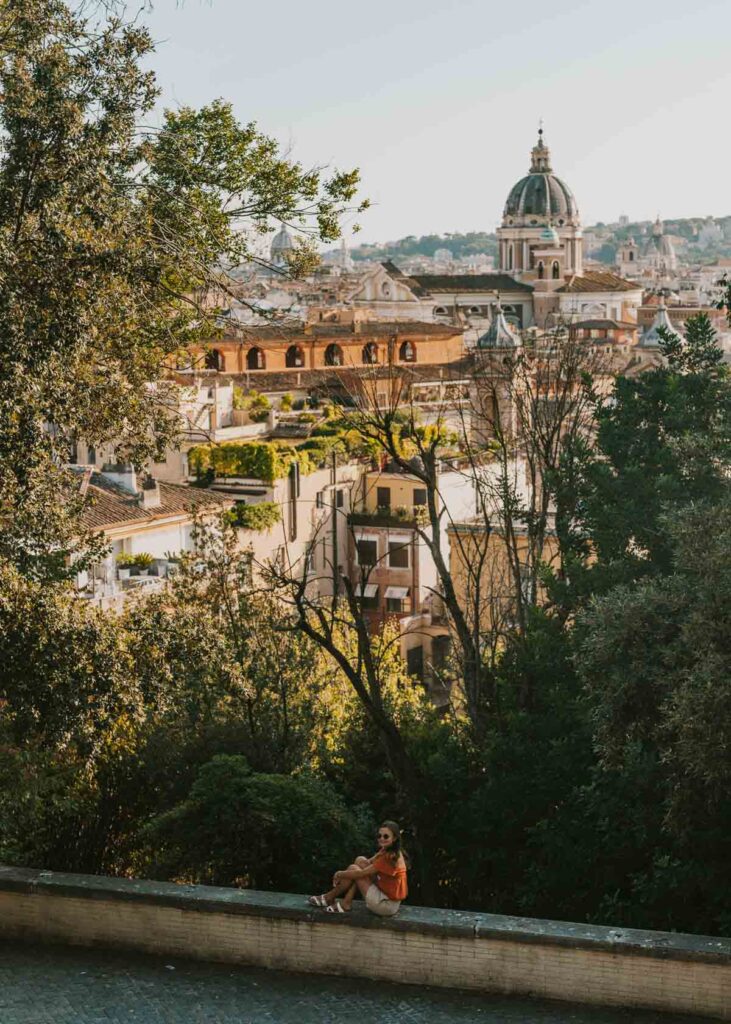
Wandering around Rome is one of the best things to do in Rome!
I recommend 2-3 days in Rome (or more), which is enough time to cover the highlights, including:
- Visiting the ruins of the Colosseum and nearby Roman Forum and Palatine Hill
- E-Biking Along the Appian Way
- Visiting the Vatican Museums, Sistine Chapel, and St. Peter’s Basilica
- Taking a traditional Italian cooking class with a local chef
- Eating all the best local food in Trastevere
- Searching for the best city views at Terrazza del Belvedere and Caffetteria Italia al Vittoriano
- Seeing Rome’s other iconic landmark, including the Pantheon, Trevi Fountain, and Spanish Steps
- Stay inside a charming converted Baroque monastery at Donna Camilla Savelli
See: The PERFECT 3 Day Rome Itinerary (With Hidden Gems)
Amalfi Coast, Sorrento & Nearby
The birthplace of pizza, lemoncello, and my own ancestors, Campania is home to some of the Mediterranean’s most stunning coastlines!
Of course the famed Amalfi Coast comes to mind with its pastel farmhouses stacked up the steep cliffs—but this region has plenty more to offer, like wine tasting at the volcanic vineyards beneath Mt. Vesuvius, the ruins of Pompeii and many other Roman ruins, plus the azure sea caves of Capri.
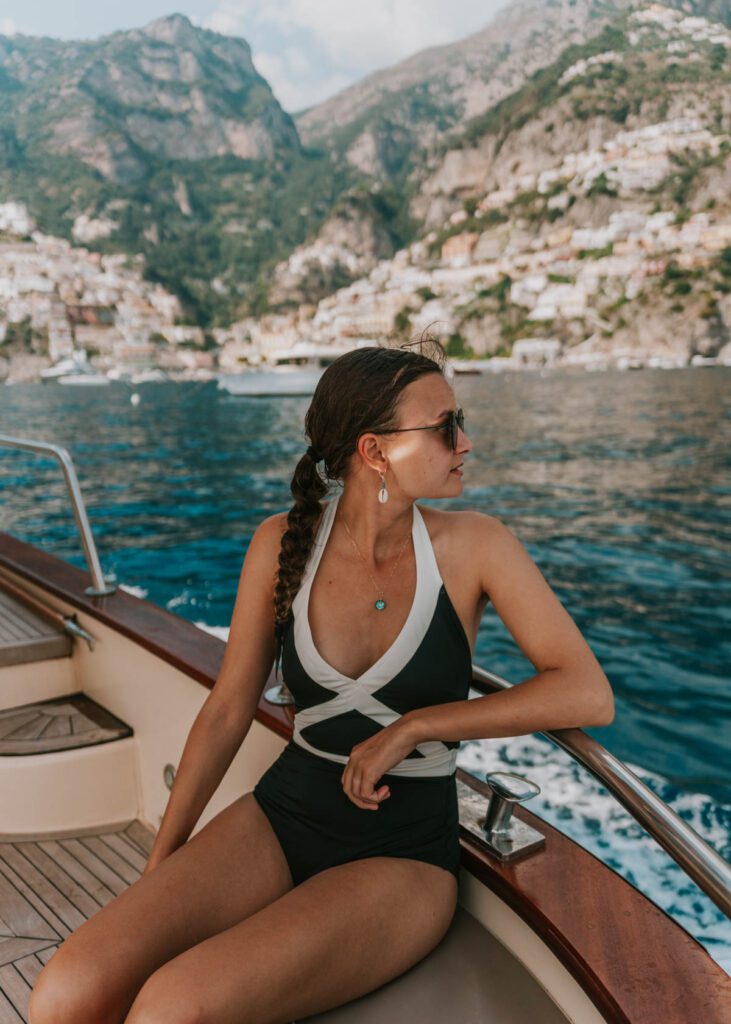
I will warn you—although it’s just as beautiful as in the photos, I would not recommend staying on the Amalfi Coast. It’s exceptionally crowded, especially in the summer, and very difficult to get to. Instead, stay in Sorrento, Naples, or my personal favorite, Vico Equense, and take a boat tour along the Amalfi Coast, which includes a few hours to explore Positano and Amalfi, plus time to snorkel in hidden coves!


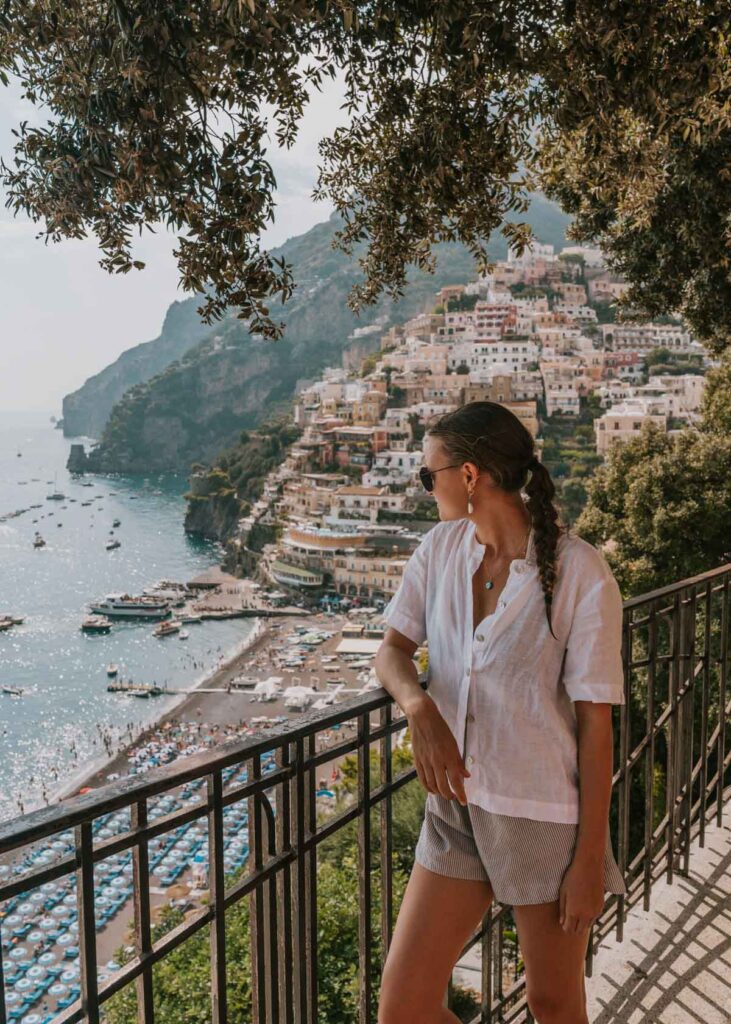
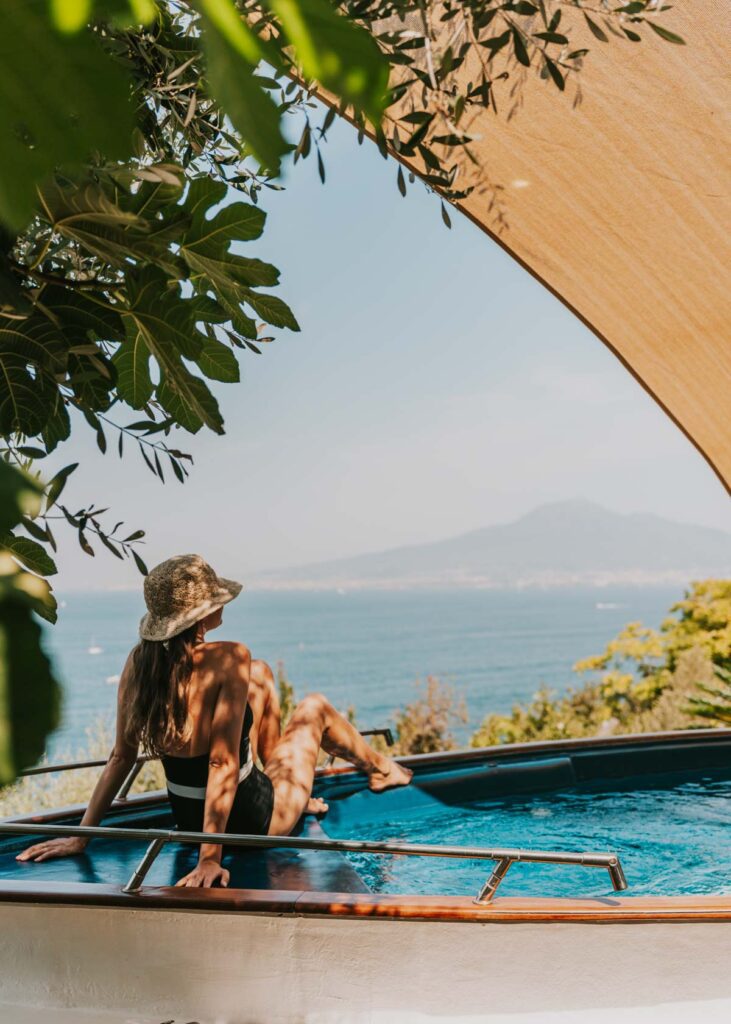
Relaxing at the pool at La Palombara B&B, lunch and wine tasting at Cantina del Vesuvio, and stopping Positano on our Amalfi Coast boat tour
I’d recommend spending 3-5 days here, though you could cut it shorter if you’re not visiting in the summer (and thus not spending as much time at the beach!) My favorite things to do include:
- Taking a boat tour of the Amalfi Coast (book here!)
- Visiting the ruins of Pompeii
- Wine tasting beneath Mt. Vesuvius (book here!)
- Taking a day trip to Naples
- Touring Sorrento’s lemon groves (and tasting local limoncello!)
- Paddle board to the Queen’s Bath, a swimming hole in the ruins of an ancient royal villa
Florence & the Tuscan Countryside
The vast majority of my Italy explorations have been based in Tuscany, specifically Florence, where I lived for three months while completing my cultural anthropology degree. It goes without saying that I have a sweet spot for this region with its seemingly endless vineyards, Medieval villages, and vast collection of Renaissance art.
Florence is the perfect place to stay while exploring Tuscany for the first time as you can easily take day trips to the nearby wineries and villages, while spending your morning and evenings in the charming birthplace of the Renaissance!


Photos from when I lived in Florence!
I’d spend 3-4 days here, depending on how many day trips you plan to take! Some of the best things to do in Florence include:
- See the pastel pink and green Duomo and climb to the top of the dome!
- Get the best view of the city from Piazzale Michelangelo
- See the statue of David at Galleria dell’Accademia di Firenze
- Eat and explore at Mercado Centrale
- Wine tasting beside the Ponte Vecchio (book here!)
- Explore the Tuscan countryside on this day trip to Siena, San Gimignano, and Pisa, with lunch at a winery (book here!)
Venice
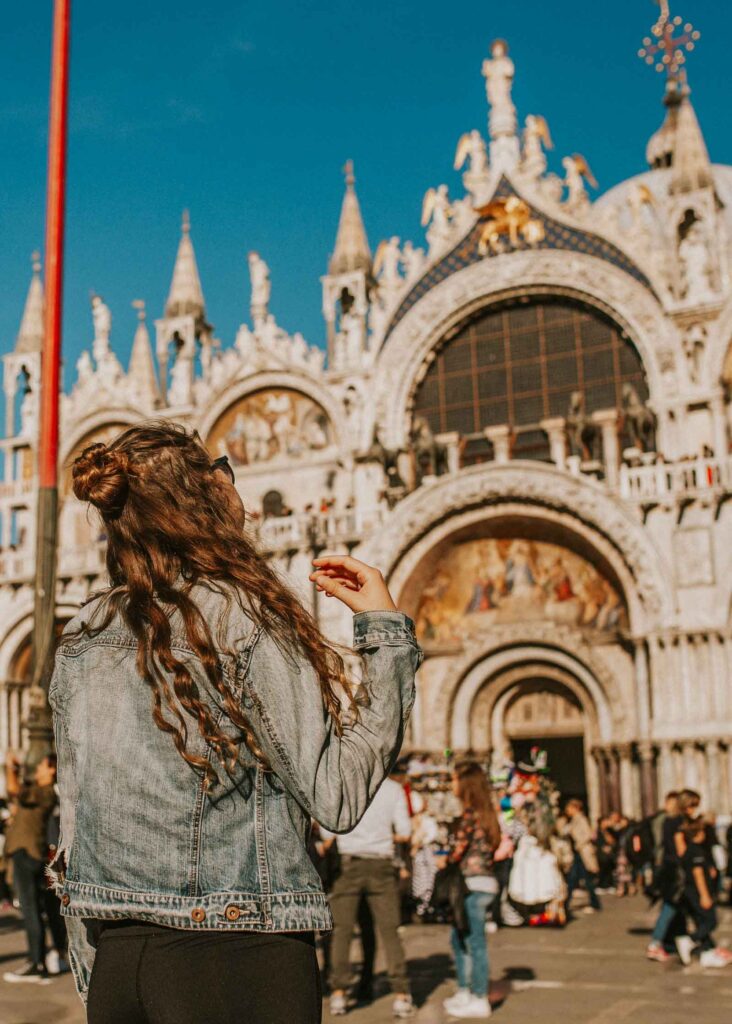
This canal-lined island city requires no introduction. And although many travelers have called Venice overrated, I have to disagree—there really is no place on earth like it and wandering through the meandering streets is delightful, even if it is crowded!
That said, Venice isn’t always the most convenient place to visit (it’s 2 hours from Florence and 4 hours from Rome) and the tourist-packed streets can feel overwhelming. So if you do visit, expect to share this magical city with many others—and ideally, spend the night here so you can experience the magic after the majority of visitors leave for the day.


Photos from one of my two visits to Venice! It’s a place worth re-visiting 😉
You don’t need more than a day or two in Venice, it’s small and there truthfully isn’t a lot to do other than explore! But here are a few things to add to your Venice itinerary:
- Get lost in the winding streets of Venice, this is truly the best thing to do in Venice!
- Gondola ride through the canals (obviously!) You must book in person and pay with cash.
- Or learn to row a gondola—which is actually more affordable and longer than going on a gondola ride!
- See St. Mark’s Basilica, called ‘the Church of Gold’
- Walk over the famous Ponte di Rialto (Rialto Bridge)
- Cruise to Murano and Burano, two colorful, quieter islands near Venice (book here!)
Puglia
Have you heard of the soft sandy beaches, white-washed coastal towns, ancient olive groves, and rustic vineyards of Italy’s heel, Puglia?
When I first visited Puglia in 2017, this Greek-influenced historic region was flying under the tourist radar… but with its Pinterest-worthy beaches, sea caves, and charming trulli houses, Puglia is quickly gaining international recognition!
That said, Puglia is far less touristy than other areas in the country—which means English isn’t widely spoken, and it’s a bit more affordable than other areas.


Blue, tan, and white make up the color pallet of Puglia… plus the occasional pop of color!
I recommend spending 2-5 days in Puglia, though you could easily spend longer! And this is one of the few areas of Italy where it’s really best to rent a car—though some areas are connected via train. The top things to do in Puglia include:
- Explore picturesque Polignano a Mare, including the famed Lama Monachile beach and sea caves
- Go to the beach (in the summertime!) Visit Calette di Torre Cintola for white sand, and Calette di Torre Cintola to swim amongst the ruins of a 16th century watchtower
- See the UNESCO World Heritage trulli homes of Alberobello
- Visit the hilltop white-washed city of Ostuni
- Go wine tasting at a Puglia vineyard
- Take a day trip to Matera, one of the oldest continually inhabited cities in the world!
Italian Alps & Lake Como
Out of all the Italy destinations in this article, I’ve spent the least time in northern Italy—but on a few short visits, I’ve gotten a glimpse of how special this part of the country is!
The northern most part of the country feels a bit like Germany—and the local dialect is heavily influenced by German, as is the cuisine. And the mountainous landscapes are stunning—from the jagged Dolomite peaks and spires to the snow-capped Italian Alps.


Photos credit: Alex Mesmer, Peter Thomas, and Joshua Earle via Unspalsh
There’s a lot to do in this region (and I haven’t done it all… yet!) including:
- Hut-to-hut hiking in the Dolomites (very high on my bucket-list!)
- Gaze over the Italian, French, and Swiss Alps from the Skyway Monte Bianco cable car
- Relax by the lake at a B&B on Lake Como
- Explore the medieval city that inspired Romeo and Juliet, Verona (one of my favorite cities in Italy!)
- Taste real balsamic vinegar in the only place it’s produced, Modena (book here!)
- Climb the 18th century Forte di Fenestrelle
Tips to enjoy your first trip to Italy
- Yes, go to all the spots travel bloggers like me recommend! But don’t stop there! Explore off the beaten path, whether that just means wandering through quiet neighborhoods of Rome or adding lesser-known villages to your itinerary.
- Embrace the Italian way of life… cappuccinos and espresso in the morning, and late dinners with plenty of Italian wine!
- Learn and speak some Italian! It goes a long way and shows appreciation to locals. Don’t expect them to speak English (though many do).
- TASTE your food and eat mindfully. Italian food is all about fresh, delicious local produce. Enjoy the simplicity!
- Be mindful of your belongings in crowded, touristy areas, and on public transportation. The pickpocketing issue is real!
- Consider joining local guided historic tours to deepen your understanding of what you’re seeing! This is a lovely way to support small local businesses, too!
Example Italy Itineraries
Rome, Florence, and Venice Itinerary
See Italy’s classic sights all in one trip!
- Start in Rome (2-4 days)
- Stay in Trastevere
- Follow my 3 Day Rome Itinerary
- Take the train to Florence (2-4 days)
- Stay in Santo Spirito on the quieter side of the river
- Visit the Duomo, see David at Galleria dell’Accademia di Firenze, and join this exceptional $3 walking tour
- Explore the Tuscan countryside on this day trip to Siena, San Gimignano, and Pisa, with lunch at a winery (book here!)
- Take the train and water taxi to Venice (2 days)
- Stay at Pensione Accademia
- See St. Mark’s Basilica, Rialto Bridge, and the Grand Canal
- Wander the winding streets, and go on a gondola ride through the canals
- Join this Venice hidden gems night tour
- Join a boat tour to Murano and Burano, two colorful, quieter islands near Venice (book here!)
- Fly out of Venice, Milan, Rome, or whichever airport is best for you!


My southern Italy itinerary includes zip-lining between two mountain-top villages and visiting Matera,, one of the oldest continually inhabited towns in the world!
Rome and Southern Italy Itinerary
Explore the Eternal City along with Mediterranean beach towns and hidden gems.
- Start in Rome (2-4 days)
- Stay in Trastevere
- Follow my 3 Day Rome Itinerary
- Take the train to Naples, and transfer to Vico Equense (3-5 days)
- Stay at La Palombara B&B
- Take a boat tour of the Amalfi Coast (book here!)
- Visit Pompeii and enjoy wine tasting beneath Mt. Vesuvius (book here!)
- Paddle board to the Queen’s Bath, a swimming hole in the ruins of a 2,000-year-old villa
- Pick up a rental car in Sorrento and drive to Castelmezzano (1 day)
- Stay at a B&B in Castelmezzano
- Zip-line between Castelmezzano and Pietrapertosa
- Continue on to Matera and Puglia (3-5 days)
- Stay in Polignano a Mare
- Explore the ancient streets of Matera on this guided tour
- Go to the beach: Lama Monachile and Calette di Torre Cintola
- Go on a boat tour to Polignano a Mare’s sea caves
- Visit the trulli homes of Alberobello, hilltop Ostuni, and seaside Monopoli
- Fly out of Bari back to Rome, or whichever airport is best for you!
Also See: 10 Day Southern Italy Itinerary: Beaches, Mountains & More
Venice, the Dolomites, Verona, and Lake Como Itinerary
Immerse in some of Italy’s most romantic towns and see the stunning Dolomites.
- Start in Venice (1-2 days)
- Stay at Pensione Accademia
- See St. Mark’s Basilica, Rialto Bridge, and the Grand Canal
- Wander the winding streets, and go on a gondola ride through the canals
- Join this Venice hidden gems night tour
- Join a boat tour to Murano and Burano, two colorful, quieter islands near Venice (book here!)
- Take the train to Verona (1-2 days)
- Stay at Due Torri Hotel
- See the Verona Arena (like the Colosseum!), Juliet’s balcony, and climb to the top of the Torre dei Lamberti
- Go wine tasting at a scenic vineyard overlooking the city and river
- Take the train to Bolzano, then continue to the Dolomite village of Ortisei, Val Gardena (2-3 days)
- Stay at Residence Cesa Ladina
- Ride the Ritten Cable Car and Ritten Railway in Bolzano
- See the 5300-year-old mummy of Ötzi (Iceman) in Bolzano
- Hike the Seceda Ridgeline via cable car from Ortisei
- Travel via train to Lake Como (with a connection in Milan) (3-5 days)
- Stay at Divina Vita Apartments
- Join this hidden gems private boat tour on a romantic boat
- Explore the lakeside villages of Bellagio, Como, Varenna, and Menaggio
- Go wine tasting at this panoramic vineyard overlooking the lake
- Fly out of Milan
✨ Italy Travel Tip: City names are often different in Italian, so knowing both the Italian and English name can be helpful when navigating train stations (or reading road signs!)
When to Visit Italy
Italy is lovely year-round! Late spring through early fall are the busiest times for tourism, and the best time to visit if you want to go to the beach. Late autumn is a great time to explore without the crowds. You’ll find Christmas markets in some Italian cities (especially in the north) in December. And wintertime and early spring offer winter sports in the north and fewer crowds throughout the whole country.

Cinque Terre is another lovely area to visit on your first trip to Italy!
How Long to Spend in Italy
If you’re flying to Italy from North America, I’d aim to spend at least a week here to make it worth it (and have enough time to fight the jet lag!) But with so much to explore in Italy, I would aim for 2-3 weeks if you can!
Whatever you do, be sure to work some relaxation into your Italy itinerary. There is so much to do and see here that Italy trips can easily be all sightseeing with no time to slow down! Incorporate a few quiet days in the Tuscan countryside, some days at the beach (if you’re visiting in summer), or simply travel slower!
Keep in mind that visitors from non-EU countries can only stay in Italy and the other Schengen areas for a maximum of 90 days within a 180-day period (unless you have a special visa, of course!).

Where to Stay in Italy: Hotels vs Traditional B&Bs vs Airbnbs
I’ll cut straight to it—the best type of accommodation in Italy is a traditional bed & breakfast (not to be confused with Airbnbs!)
As the name suggests, B&Bs include breakfast and tend to be small, local-run guesthouses that have been operating for decades! Staying in a B&B is a lovely way to meet real locals, and support small businesses rather than international hotel brands.
And breakfast at a B&B is honestly better than what you can get at a restaurant. For instance, the breakfast spread at our B&B in Vico Equense featured fresh figs and pears grown on the property, local pastries, homemade jams, bruschetta with ripe tomatoes, and Italian coffee.
📍 How to book traditional B&Bs: Booking.com has the largest selection of local B&Bs and small local hotels in Italy, with a reliable rating system (more trustworthy than Airbnb)!
That said, B&Bs tend to be a little more expensive than budget-friendly Airbnbs and cheaper hotel options. And if you’re in a rush, sitting through a slow Italian breakfast might not be appealing.
If you go for a hotel, look for locally-owned boutique hotels. And wherever you stay, pay close attention to ratings on Booking.com—I never stay anywhere with an 8.5/10 or lower! The 9.0 and higher spots are always exceptional—and not necessarily more expensive!

How to Get Around Italy: Trains, Planes, Cars, and More
It’s pretty easy to travel around Italy thanks to the plentiful train routes, well-maintained roads, and affordable regional flights.
And my Italy trips usually include several forms of transportation. For example, on my recent 3-week Italy vacation we took taxis around Rome, then took the speed train to Naples and regional train Vico Equense, and later rented a car that we drove to Puglia. And since we were flying out of Rome, we flew from Bari, Puglia back to Rome the night before our international flight home!
Here’s a quick overview of what you should know about transportation in Italy:
- Traveling Italy by train: Much of Italy is well connected by train, and some routes offer high speed trains! You can check routes and book tickets on Italiarail.com. That said, some areas are not as easily accessible by train, especially in southern Italy!
- Flying within Italy: There are 77 airports in Italy, and flying between them is often cheaper than you’d expect! Just keep in mind that flights with budget airlines like Ryanair often charge extra for baggage. Budget accordingly!
- Renting a car in Italy: Sometimes you really do need (or just want) your own car. Just make sure you have an international drivers permit in advance (if you’re not from the EU) and learn about driving in Italy beforehand. I’d also check with the places you’re staying to ask about parking. Driving is prohibited (and sometimes allowed by physically impossible for larger vehicles) in many villages, but they will often have a parking area just outside! I use DiscoverCars to compare prices for both local and international car rental companies.

Quick things to know before your first Italy trip
- 📍 Currency: Euro (€). Credit cards are widely accepted, but always carry some cash for cafes, taxis, or small shops.
- 📶 SIM Cards: Get an e-SIM through Airalo to have service on your phone throughout Italy.
- 💧 Tap Water: It’s safe to drink throughout Italy! And in many cities like Rome you’ll find public fountains called nasoni with fresh drinking water.
- 🛜 Plugs & Voltage: Italy uses Type C and L plugs with 230V voltage. Bring a universal adapter if you’re visiting from North America.
- 🚿 Bathrooms: Public restrooms often charge a small fee (€0.50–1), so keep coins handy. Cafes may let you use theirs if you buy a coffee.
- 💁♀️ Tipping: Not expected, but rounding up or leaving a few coins can be appreciated!
- 📱 Transit Apps: Download Free Now for taxis in cities like Rome and Google Maps offline for smoother travel.
- 👜 What to Pack: Comfortable shoes for walking, modest clothes for churches, a refillable water bottle, and a crossbody bag to avoid pickpocketing.
Keep planning your trip to Italy
- The PERFECT 3 Day Rome Itinerary (With Hidden Gems)
- 10 Day Southern Italy Itinerary: Beaches, Mountains & More
- What You NEED to Book in Advance for Rome (And How to Book!)
- 7 Tips for Visiting the Vatican for the First Time
- Visiting Vico Equense, Italy: A Hidden Gem Near the Amalfi Coast
Save for later on Pinterest:


