The PERFECT Tokyo Layover Itinerary (from Narita Airport)
With one of Japan’s most beautiful temples and charming historic shopping streets just a 15-minute metro ride away, Narita Airport is a lovely place for a longer layover! And if you’re here for a full day, you can easily head into Tokyo itself!
In this article I’m sharing exactly how I spent a serene 12 hour layover in Narita, with options to head to Tokyo’s Asakusa neighborhood and Ueno Park, too. And of course, I’ll make sure you can figure out which Narita layover itinerary makes most sense for you based on how long your layover is.
✨ First time in Japan? Join this tour of Narita with a local guide who meets you inside the airport and makes sure you get back with plenty of time for your flight!

📍 Where to Stay in Narita if you have an overnight layover
- ⛰️ $150+/night ryokan in the heart of historic Narita: Wakamatsu Honten
- 🧖🏽♀️ $300+/night traditional Japaneses hotel with bathhouse: Waqoo Naritasanmonzen
Before You Leave the Airport
Tokyo is the largest metropolis in the world and it can take hours to travel between different neighborhoods! So, before you set off, make sure you have a plan and know how you’ll get back to the airport on time!
This Tokyo layover itinerary is designed for folks with a layover at Narita International Airport, which is situated east of Tokyo. From here, my suggestion is to either explore charming Narita itself (15 minute train ride) or head to Ueno in Tokyo (40 minute train ride) and explore the city from there.
Luggage storage
Luggage lockers of various sizes are easy to find and use in Narita Airport. I left my bags at the luggage lockers near international departures in Narita terminal 2 (pinned here), since that is where I’d be checking back in for my next flight.
The cost varies based on the locker size, from about ¥500 ($3 USD) to ¥1,000 ($6). You can pay with coins, but its even easier if you have a Sucia card, which can be added to your Apple Wallet on iPhones. Having a digital Sucia card will also help you save time (and money) getting train tickets, but of course you’ll need phone service in Japan to use it. (An Airalo eSIM is a lifesaver for this).
Food options before you leave
Unlike airports in the US, the food options inside Narita airport are pretty good—and of course food is served more quickly compared to a regular restaurant outside of the airport. It might sound like an odd suggestion, but it could be worth it to grab food in the airport to save time. Before leaving, I ate at T’s Tantan, an excellent vegan ramen shop at international departures in terminal 2, pretty close to the luggage lockers!
Buying train tickets
Even though I’d navigated Narita airport several times before on our recent 10 day Japan trip, I still found it a little confusing to buy train tickets at Narita airport—so, don’t be hard on yourself if you feel a little overwhelmed!
If you’re heading into Narita, you’ll want to take the Keisei Line to the next stop, Narita Station. It’s a 8 minute ride that costs ¥280. You can pay with a Sucia card, credit card, or cash. If you get confused at all (like I did), there will be plenty of friendly cashiers very willing to help you out!
If you’re heading further into Tokyo, you can choose between taking the Keisei Line of Narita Skyaccess, which will take you to Asakusa, or the Skyliner which goes to Ueno Station and you can transfer there to travel anywhere in Tokyo. Again, ask a cashier for help if you get confused—or join this flexible Narita layover tour with a local guide who meets you at the airport!

Exploring Narita
📍 Start: Narita Station | 15 minute train ride from Narita Airport
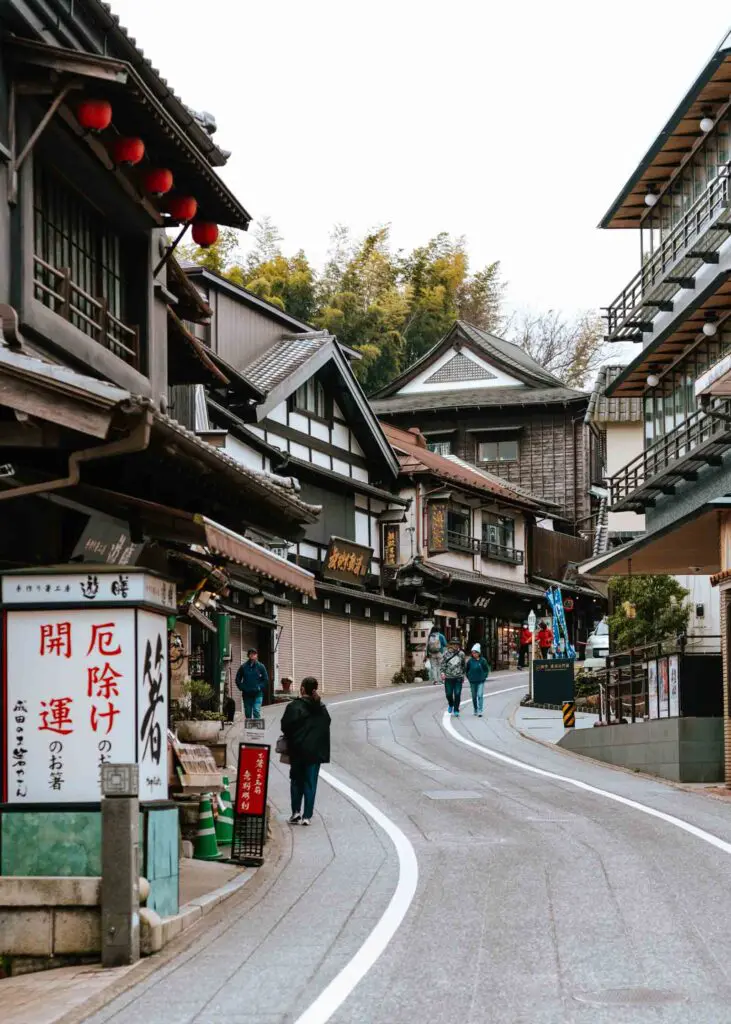
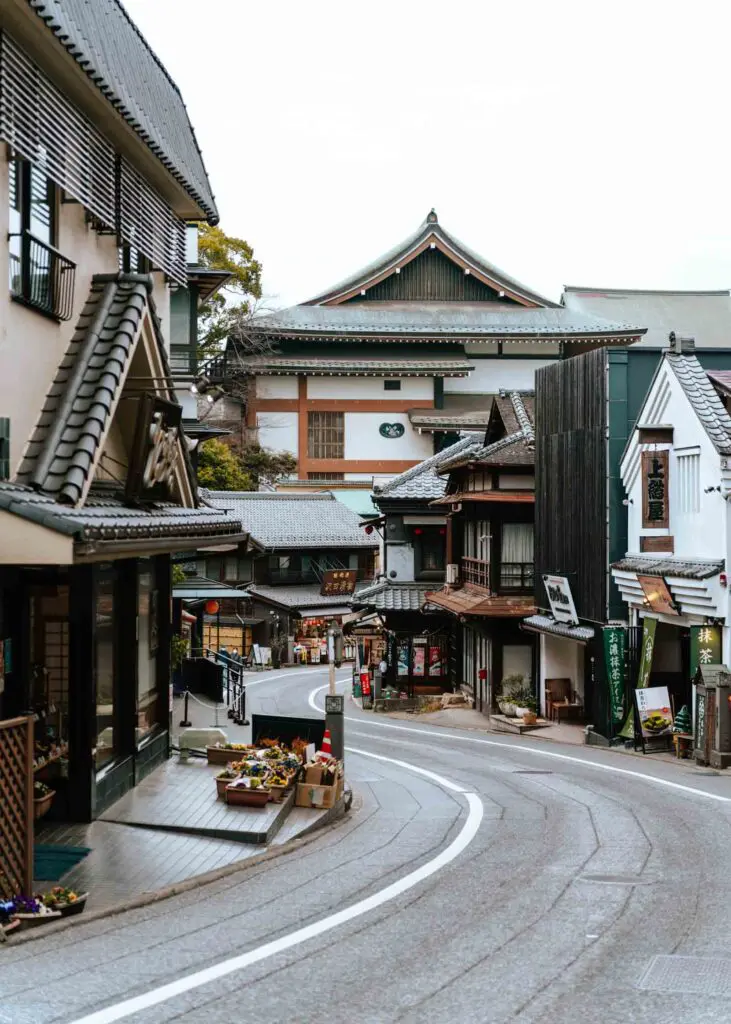
Exit on the east side Narita Station and begin your walk up Omotesando Street, an 800-meter historic street that leads to Naritasan Shinsho-ji Temple and Naritasan Park.
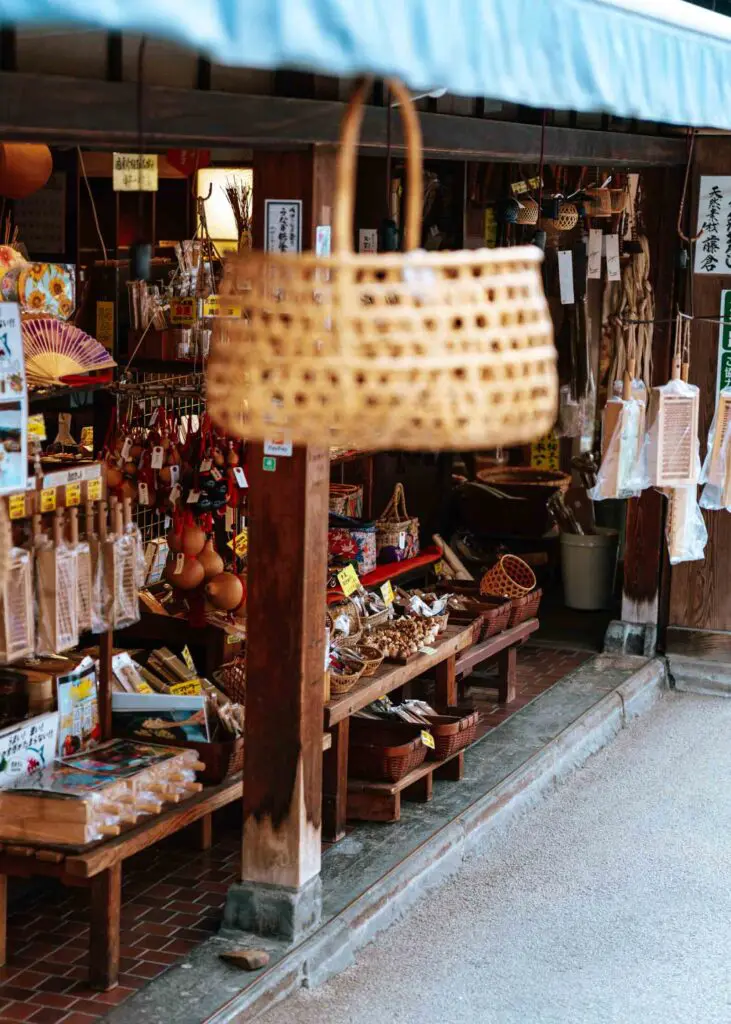
The walk to the temple takes about 20-minutes, but its worth stopping at little shops and eateries along the way!
The winding street is lined quintessential wooden houses and shops from Japan’s Edo period (1603-1867) that make it reminiscent of Kyoto’s famous Gion district, but much less crowded!
A few spots to stop along the way include:
- ☕️ Hashira Deli & Cafe: Just outside of Narita Station, stop here for a warm coffee or matcha with intricate latte art… a cat, Totoro, or something else!
- 🍶 CYOUMEISEN: Local sake brewery with self-served sake tastings.
- 👘 Narita Tourist Pavilion: Tiny museum and tourist information center with displays from local cultural festivals!
- 🌿 Miyoshiya: Tea and authentic Japanese treats served in a tranquil little garden right along Omotesando Street!
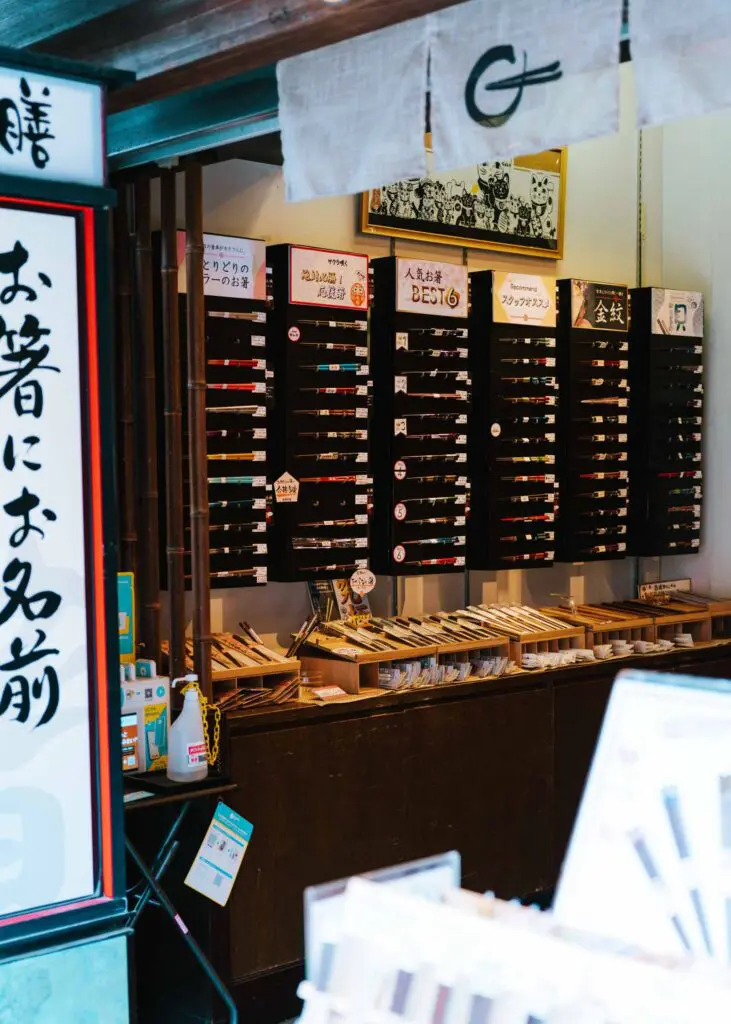
There are also so many hole-in-the-wall shops and stores. We were in the market for a Japanese knife and bought one at Yamada’s Cutlery Store on Omotesando Street—the lovely old owner didn’t speak any English, but we were able to communicate well enough and the prices were much better than knife shops we visited in Tokyo and Kyoto!
Naritasan Shinsho-ji Temple & Park
After walking up Omotesando Street you’ll approach Somon Gate, the entrance to Shinsho-ji Temple—one of Japan’s most beautiful Buddhist temples!
The temple itself is a lot larger than I expected, and flows into Naritasan Park, so you can easily spend an hour and a half to two hours here.
The highlights include:
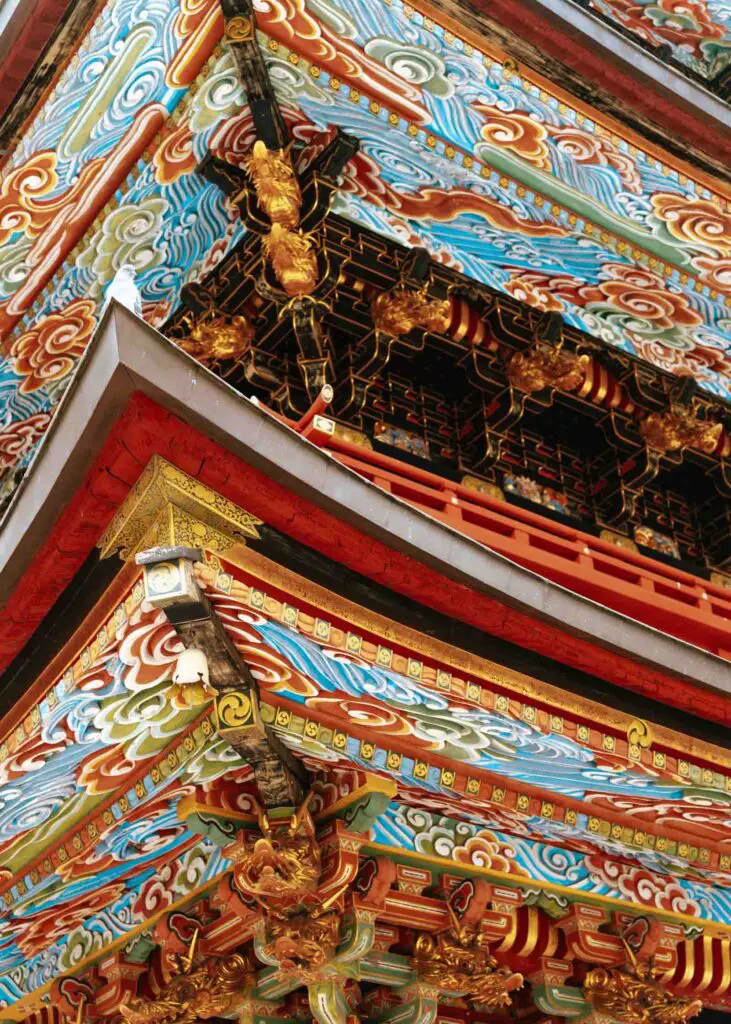
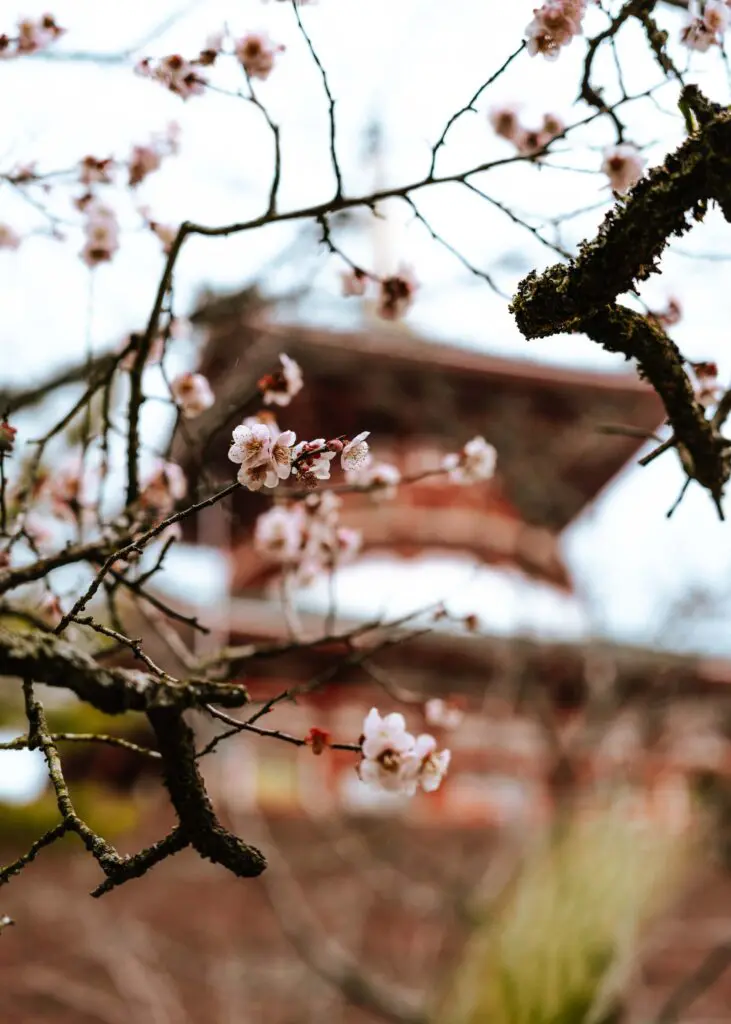
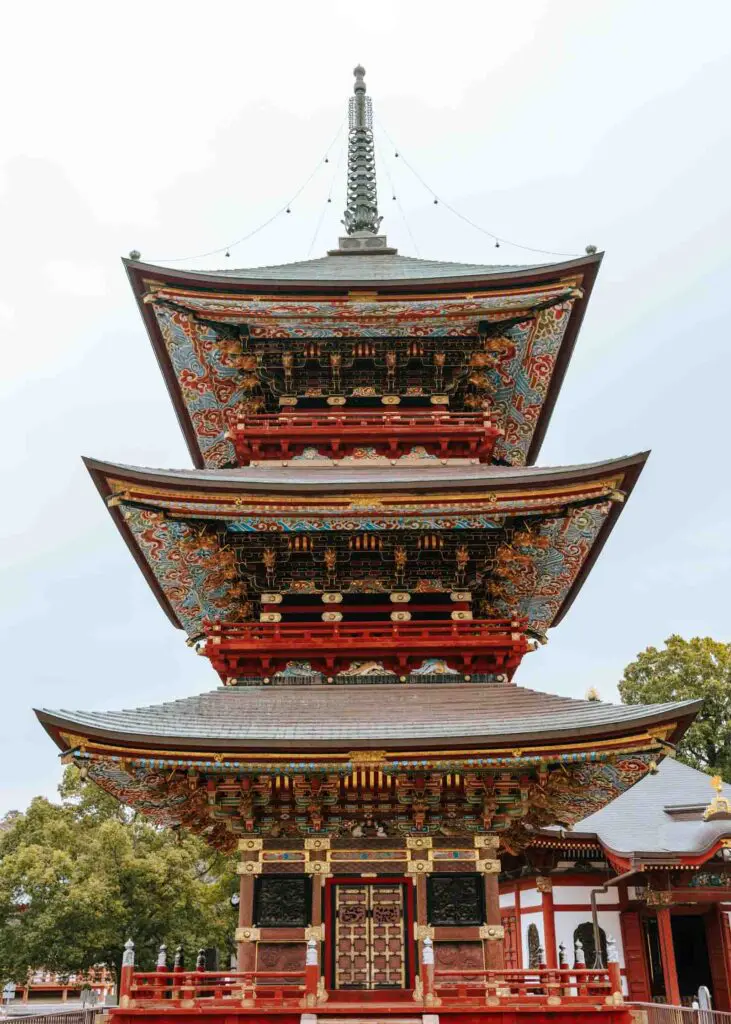
- Three storied pagoda: A colorful, intricately decorated 27-meter-high pagoda dating back to 1712. This is genuinely one of the most stunning pagodas I’ve ever seen!
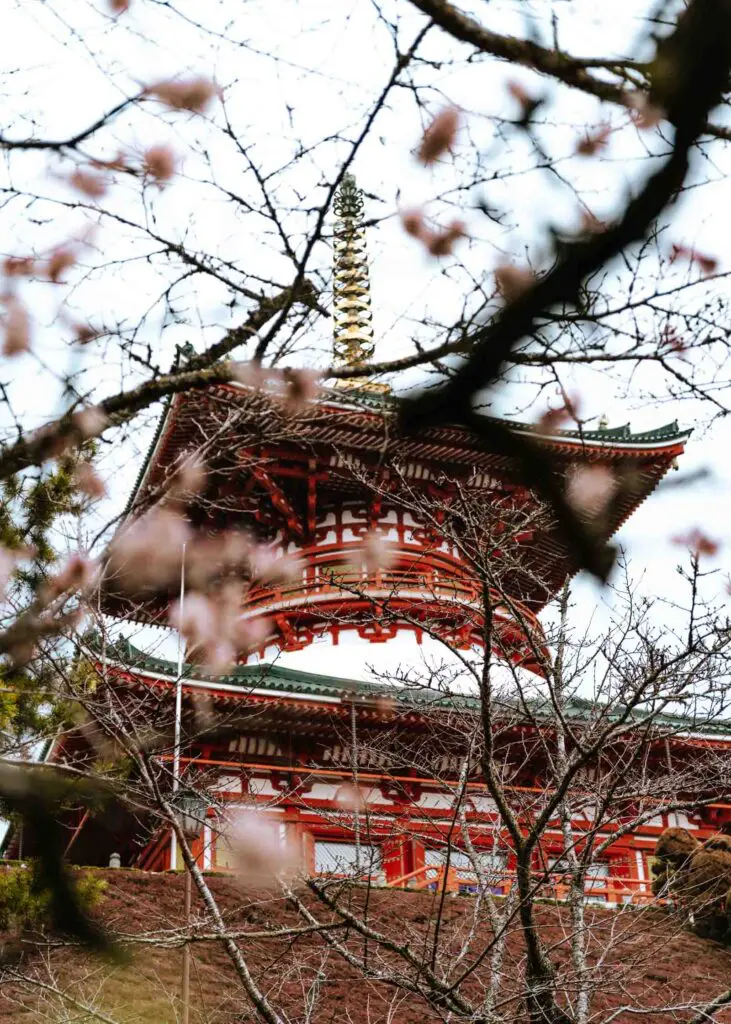
- Great pagoda of peace: Another eye-catching pagoda that stands at 58-meters-high.
- Nioman gate: One of Japan’s important cultural properties, with two vermillion deva king statues.
- Komyodo Hall: Another of Japan’s important cultural properties, this 1701 hall is a pilgrimage spot for praying for marriage!
- Yuhi-no-Taki Falls: A small but beautiful waterfall hidden within the park.
- Naritasan Calligraphy Museum: This small calligraphy museum was closed when I visited, but would be a lovely addition to this Narita layover itinerary!
Although it’s one of the most visited temples in Japan with 10 million annual visitors, most of those visitors come during New Years and other celebrations, so Shinsho-ji Temple is refreshingly quiet and serene on a normal day!
⛩️ Explore Shinsho-ji Temple with a local guide: Go deeper with this local guided tour of Narita’s historic streets and temples! The guide meet you at Narita airport so you don’t have to navigate all alone!

Aeon Mall & Narita Shopping
From the north end of Naritasan Park you can walk to Aeon Mall in less than 20 minutes. And while I’m not much of a shopper when I travel, Japan always changes that—there are so many adorable and beautiful artisan-made goodies!
Just outside of Aeon Mall you’ll see Don Quijote, a gigantic discount store selling everything from J beauty products and Japanese snacks to toys and teeshirts. Even though everything in here is mass produced (rather than artisan), Don Quijote is very popular and worth a look!
💰 Duty free shopping tip: Many larger stores in Japan will either deduct or refund tax for tourists! It’s different in every store, but there’s usually a spending limit to qualify for duty free and you’ll need to show your foreign passport.
Heading into Tokyo
With a longer layover in Narita you can easily journey into Tokyo itself! Since I’d just been in Tokyo a few months before, I chose to spend my 12 hour layover exploring Narita and absolutely fell in love with the area. But there’s so much more to explore in nearby Tokyo!

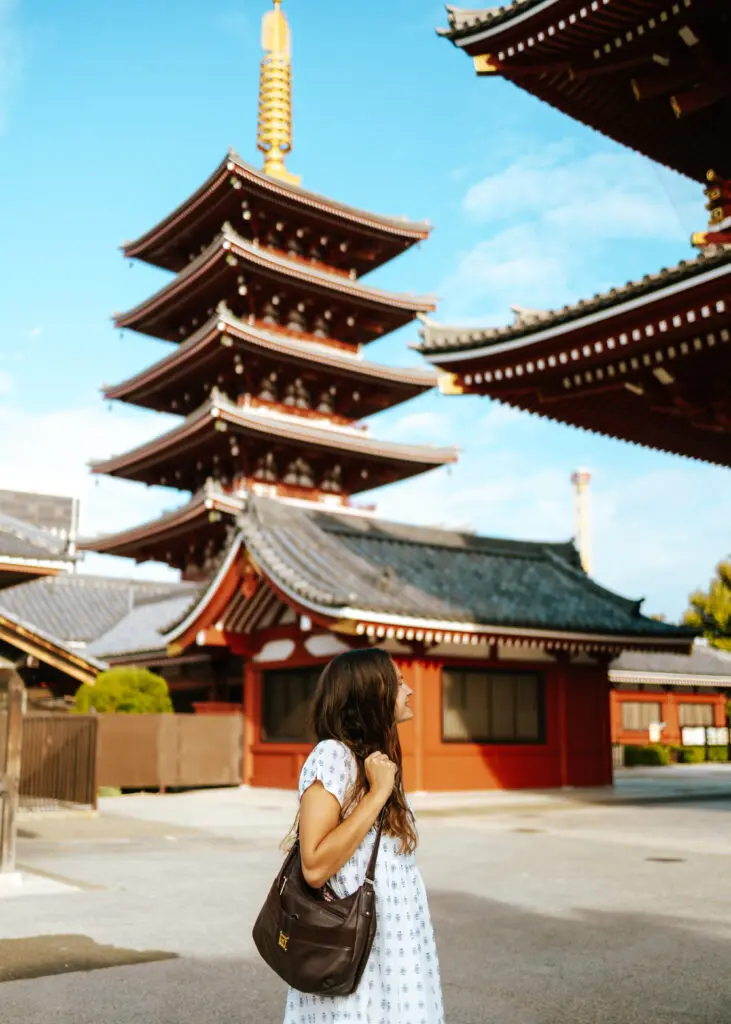

Ueno Park and Asakusa are perfect for a Tokyo layover itinerary!
My recommendation is to take the Skyliner train directly to Ueno Station (40 minute ride from Narita airport), from here, you have easy access to three intriguing parts of Tokyo:
- 🪷 Ueno Park (walking distance from Ueno Station): Beautiful park home to the National Museum of Nature and Science, Tokyo National Museum, Ueno Zoo, and my favorite—an enchanting temple in the middle of a huge lotus pond!
- ⛩️ Asakusa (5 minute ride on Ginza metro line): To me, Asakusa is quintessential Tokyo, with the city’s oldest Buddhist temple, rickshaw rides, izakayas and artisan shops, riverside walks, and sumo shows! Check out: the best things to do in Asakusa.
- 🌆 Akihabara (3 minute ride on numerous metro lines): Also called Electric Town, Akihabara is famous for its flashy neon billboards, anime shops, electronics stores, and maid cafes—love them or hate them!
As you can imagine, a Tokyo layover that includes museum visits, lotus ponds, the city’s oldest temple, and Akihabara’s billboard-adorned streets will give you a well-rounded peek into Tokyo with limited time!
And if you only choose one of those three areas to explore, I’d head straight to Asakusa, which has the most things to do—and is my favorite part of Tokyo!
Be sure to check the trains back to Narita beforehand so you know which one to catch before your flight! I’d aim to arrive at the airport at least 2 hours in advance, and earlier if you need to check bags.
More Japan Travel Guides
- The Perfect 3 Day Tokyo Itinerary: Traditional & Modern
- 11 Tokyo Hidden Gems for Exploring off the Beaten Path
- Where to Stay in Tokyo for First Timers: Convenience & Charm
- What You NEED to Book in Advance for Japan (And How)
- A Dreamy 10 Day Japan Itinerary: Tokyo, Kyoto & Countryside
- 13 FUN Things to do in Asakusa, Tokyo (and Nearby!)
Save for later on Pinterest:


