Visiting Tanekura, Japan: Soba & Foraging Amongst the Alps
Acoustic guitar renditions of my favorite Studio Ghibli soundtracks gently fill the 100-year-old wooden house as I gaze out over the rolling Japanese Alps, sipping tea made from wild herbs.
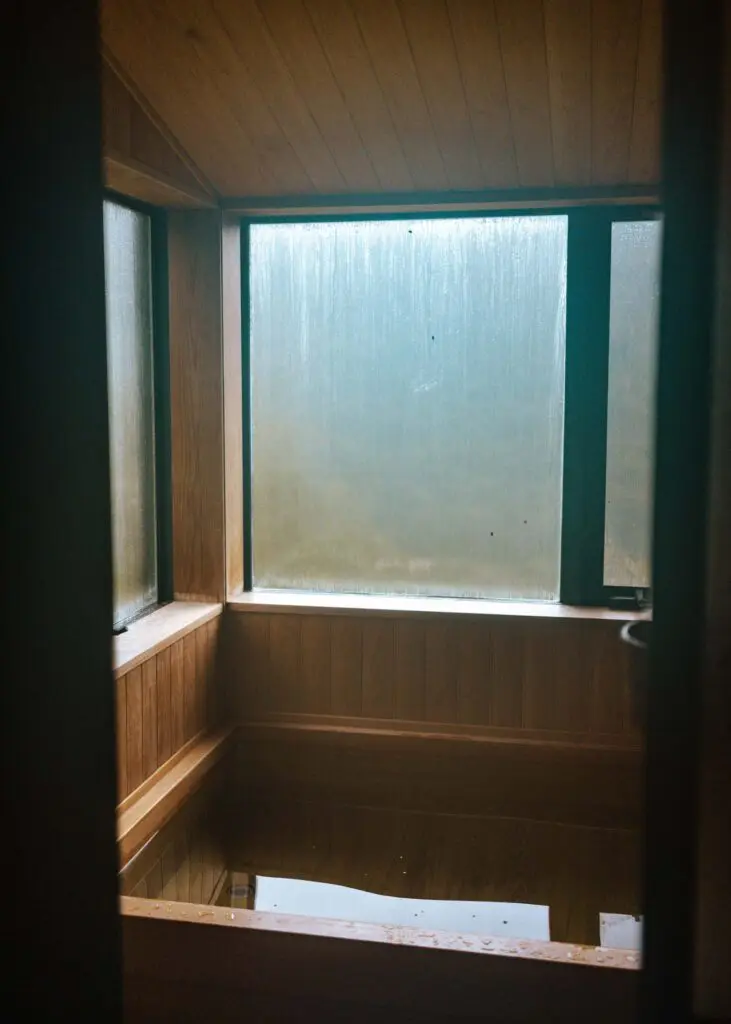
Our three nights stay at the Tanekura Inn in this 15-person village was nothing short of magical—our lovely innkeeper Shinji cooked us the most delicious meals from ingredients grown right outside the inn, took us foraging in the hills overlooking the village’s soba and rice fields, and taught us to make soba noodles from scratch. And of course there was the daily soak in the inn’s spacious cedar bath.
If you’re thinking of visiting Tanekura, you’re in for such a treat! And in this article I’m sharing about my time in the village, including a preview of the best things to do in Tanekura, what to expect when staying at Tanekura Inn, and how to get here from Kyoto, Tokyo, and other parts of Japan.
🇯🇵 Check out my 10 Day Japan Itinerary to see how we fit Tanekura into our Tokyo, Kyoto and countryside adventures!



About Tanekura
Tucked in the Japanese Alps with mountain views in every direction, Tanekura is a small agricultural village home to only 15 full-time residents.
Tanekura is also home to the region’s largest collection of itakura, wooden storehouse where farmers stored rice and buckwheat to protect the crops from house fires. But for me, the most special part of Tanekura is the quiet beauty, surrounding mountains, and small serene terraced soba and rice fields.
Today, the terraced fields make Tanekura a peaceful escape, but these very landscapes tell the stories of resilience and survival—Tanekura’s terraces were built in World War II when the entire country was facing immense poverty and food shortages.
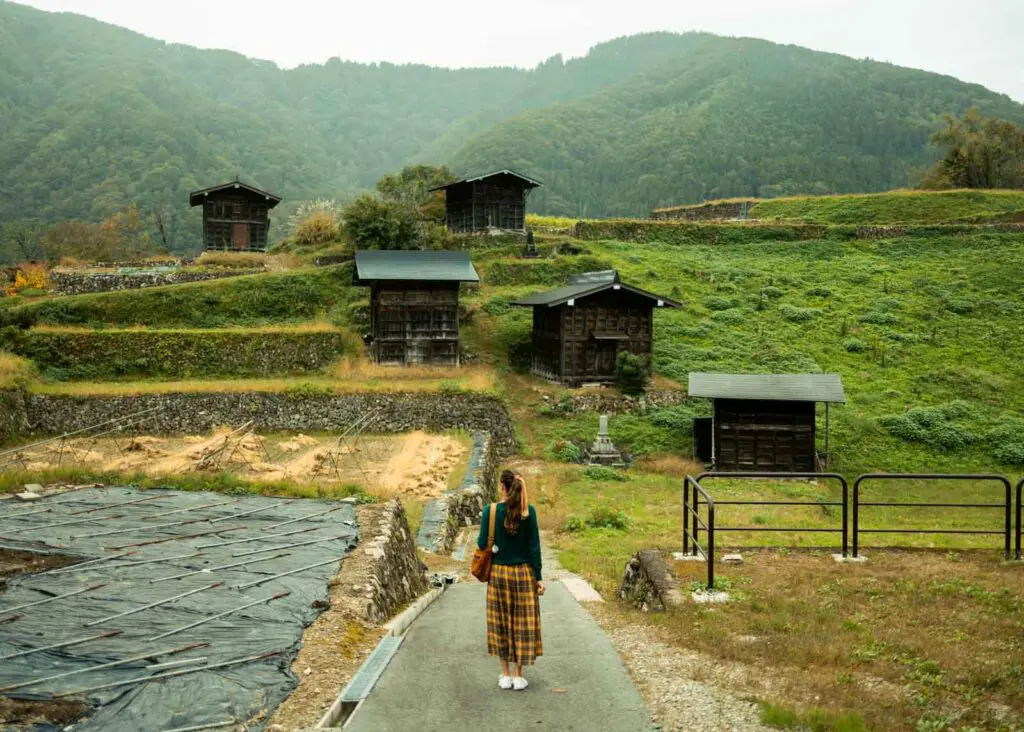
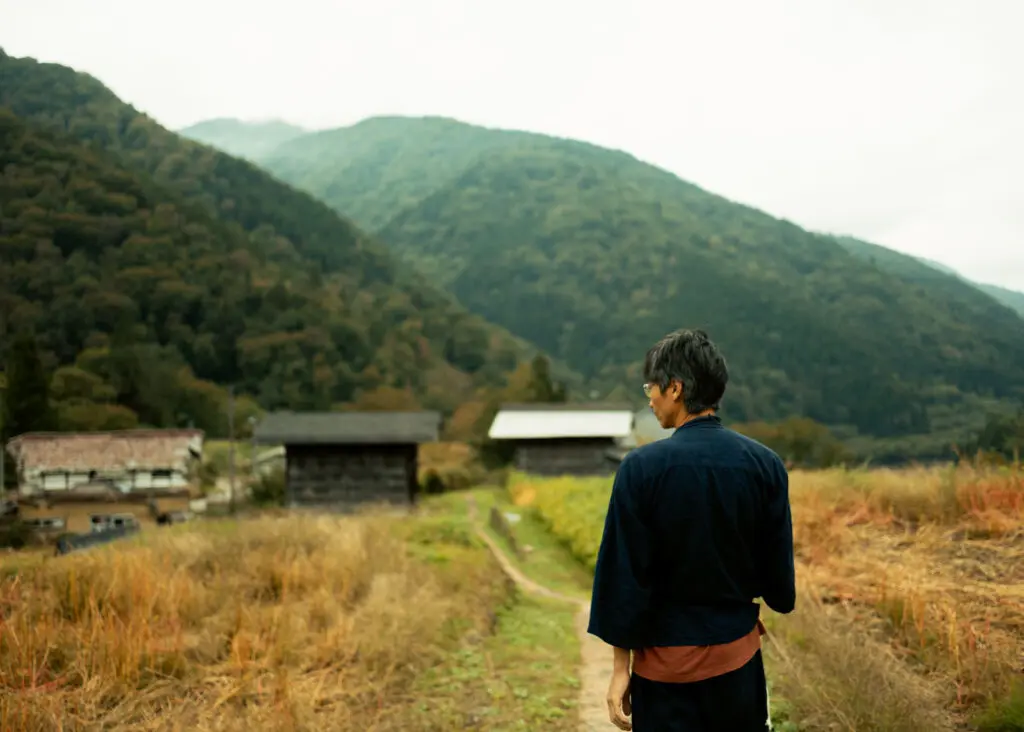
Tanekura’s terraces were originally built for rice, but today the village grows mostly soba, as well as a small variety of vegetables—including the Tanekura Radish, which only grows right here!
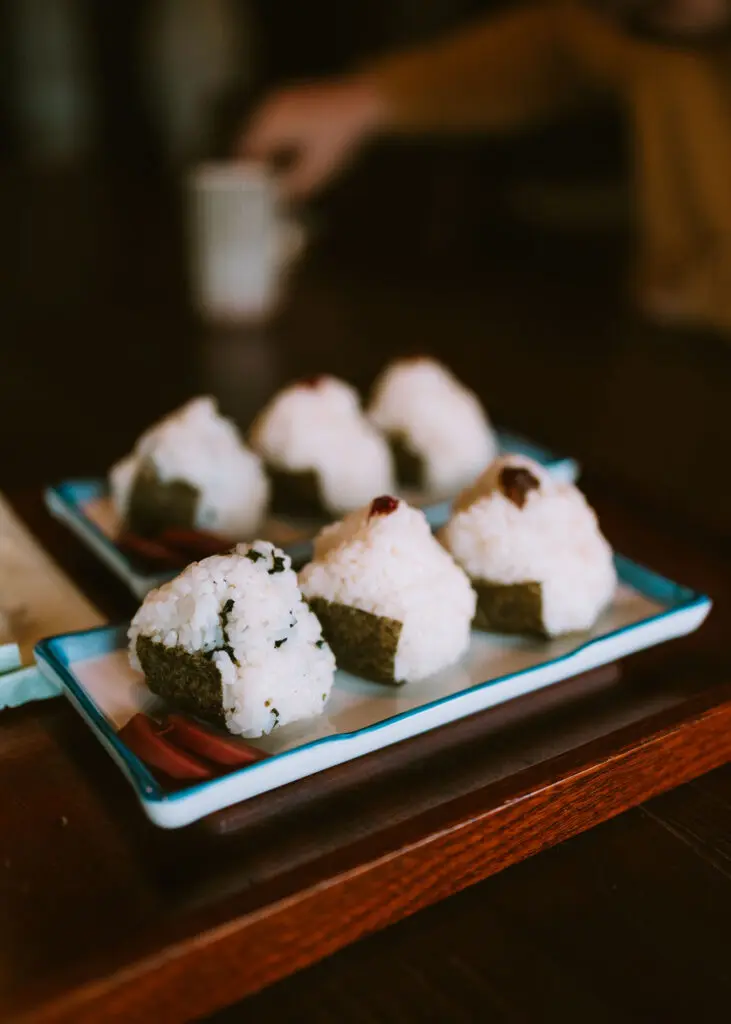
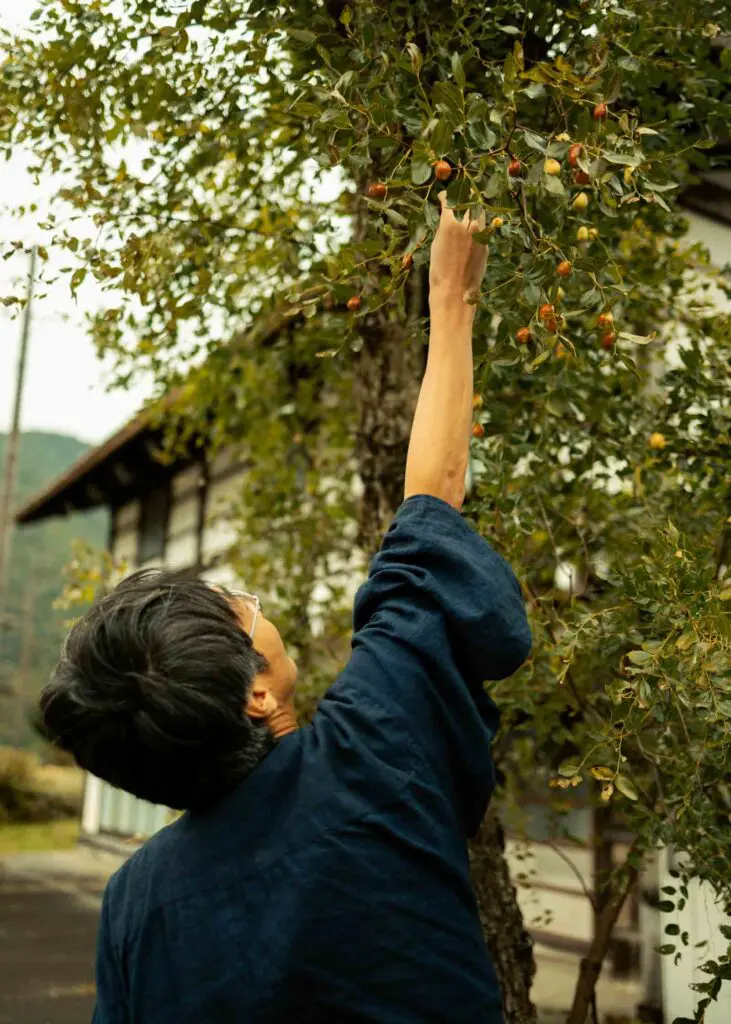
The highlight of our time in Tanekura was eating a 100% local diet prepared by our lovely innkeeper Shinji, which consisted of locally grown veggies, soba, and rice, homemade miso, Hida tofu and soy sauce, and plenty foraged ingredients that we got to pick on our foraging tour!
This tiny village is far off the tourist track in Japan, and our three slow days here were our absolute favorite times in Japan. There isn’t a ton to do besides soak in the giant herb bath, walk around the village, forage with Shinji, eat his delicious food, and read while occasionally gazing out on the misty mountains. It was the perfect ‘vacation from our vacation‘ near the end of an adventure-packed Japan trip.

Getting to Tanekura
Tanekura does not have its own train station, but if you book a stay at the lovely Tanekura Inn (the main place to stay in Tanekura), you can get picked up from the closest train station, Sakakami Station. It’s about a 10-minute drive from the station.
We got to Sakakami from nearby Takayama (well, technically, Hida Furukawa, where we stopped on our way). It’s along the regional Takayama Line, and is about a 35-minute ride from Takayama. The Takayama Line runs several times a day between Takayama and Toyama, and you can reach Sakakami from either direction.
You can get to the Takayama Line from Kyoto, Tokyo, Kanazawa, and so on. To get to Takayama, we came from Kyoto and took a Limited Express Train with a transfer in Nagoya. Then, after ending our time in Tanekura, we took the Takayama Line north from Sakakami to Toyama where we transferred to a Shinkansen bound for Tokyo.
No matter where you’re coming from, here’s a few things we wish we’d known about getting to Tanekura and transportation in Hida in general:
- Small train stations like Sakakami do not accept IC cards, YOU NEED CASH—specifically small change. We only had large bills and embarrassingly held up our entire train when trying to get off at Sakakami. Our innkeeper (who was waiting for us at the station) jumped on board and helped translate, and after several minutes we left with a ticket to be paid in Tokyo… ooops, so sorry to the local commuters! 😅
- On the other hand, you cannot pickup your pre-purchased train tickets at Sakakami station. If you bought tickets online (which is not necessary, but might happen if you book your Takayama Line + Shinkansen tickets together), you’ll need to pick them up at a JR station. We got ours ahead of time in Kyoto, thankfully.
- When exiting at a small station like Sakakami, you’ll pay the conductor (again, in cash!) at the front of the train and can only exit from that front door. This was something we had to figure out on the fly.
- Our train from Sakakami to Toyama had a transfer at Inotani. Every tourist on the train seemed confused about it because its the same line, but you have to get off and then on again. Inotani is a tiny station so it was just a platform switch.
- The Hida Limited Express to Takayama (which we took from Kyoto) is a special ‘scenic’ train with some English narration about the sights you see along the way—a lovely surprise!
Also See: 11 FUN Things to do in Takayama, Japan: Miso, Sake & More!

Staying at Tanekura Inn
We stayed three nights at Tanekura Inn and cannot recommend it enough. The 100-year-old house is tucked on the edge of Tanekura overlooking the mountains with perhaps the best view in the entire village!
The delightful innkeeper, Shinji only accepts one group at a time, so we had the entire place to ourselves—but you could easily stay here with a large family or group since there are three guest rooms plus converted storehouses which can house more guests.
Shinji made us breakfast, lunch, and dinner each day and was able to adapt each meal to be fully vegan for us. He prides himself on making deeply traditional, wholesome and delicious food with only ingredients from Tanekura and the surrounding Hida region.
Our favorite meal was cooked and served over the irori, a traditional fire hearth in the floor. Irori are rare these days becuase of the fire risk, but being able to dine here was so special.


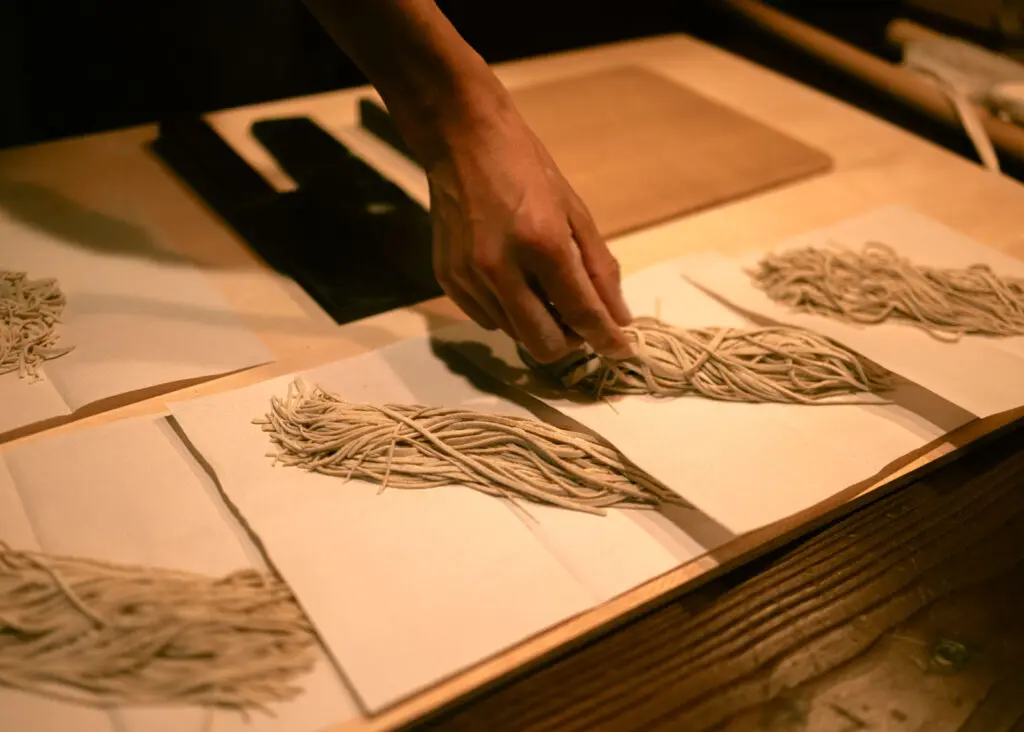
Every grain of rice we consumed here was grown right outside, as was the soba for the soba noodles we made from scratch, and nearly everything else we ate. We also enjoyed daily soups with Shinji’s homemade miso, Hida tofu, and tons of local veggies, including many that I’d never tried before like the endemic Tanekura Radish, Japanese ginger, and local greens.
Shinji also prepared us herbal baths each day in the large wooden bathtub (which has a beautiful view!) Overall, our time here was slow, intentional, and rejuvenating with Studio Ghibli soundtracks playing over the CD player and plenty of time to read while gazing out over the mountains.


Koi canals of nearby Hida Furukawa, foraging in Tanekura, and visiting nearby Takayama
Things to do in Tanekura
As I mentioned before, there isn’t a ton to do in Tanekura (which is the point!) but the Tanekura Inn offers enough immersive experiences to root you in the local community. Some of the best things to do in Tanekura include:
- Foraging for local herbs, wild vegetables, and mushrooms with our innkeeper, Shinji
- Historic and cultural tour of Tanekura village
- Soba noodle making workshop with locally grown buckwheat (soba)
- Helping with the soba or rice harvest (if the timing is right)
- Reading and relaxing in the inn
- Walking down to the river and neighboring village
- Taking the train to Hida Furukawa, a larger town with koi fish in the canals!
- Taking the train to Takayama, Hida’s largest town, which was one of our favorite places in Japan
- Visiting the nearby UNESCO World Heritage Site, Shirakawa-go
- Visiting nearby Chubu-Sangaku National Park (rental car recommended)

When to Visit Tanekura
If I were to revisit, I’d aim to visit Tanekura before or during the rice or soba harvest season, typically September. We visited in mid-October and had just missed the harvest. I’ve also heard Tanekura is quite charming in the snowy winters, but activities are much more limited around this time.
More Japan Travel Guides
- A Dreamy 10 Day Japan Itinerary: Tokyo, Kyoto & Countryside
- 11 FUN Things to do in Takayama, Japan: Miso, Sake & More!
- The PERFECT 2 Day Kyoto Itinerary: Hidden Gems & Highlights
- What You NEED to Book in Advance for Japan (And How)
- The Perfect 3 Day Tokyo Itinerary: Traditional & Modern
- 11 Tokyo Hidden Gems for Exploring off the Beaten Path
- Where to Stay in Takayama: Temple Stays, Ryokans & Hotels
Save for later on Pinterest:


